USEFUL WORK PER UNIT OF RESOURCE
Use intelligence well.
Use resources carefully.
Measure the complete cost of useful, accepted work.
Sustainability, in context.
Appropriate models
Use a smaller or local capability when it meets the required quality.
Useful capacity
Evaluate explicitly authorised reuse without hiding electricity or support costs.
Complete measurement
Compare energy and carbon per accepted task, with equivalent quality and boundaries.
Durable capability
Include maintainers, repair, recovery and longer useful hardware life.
Architecture illustration. Availability and acceptance depend on the selected configuration.
AN OPERATING EXAMPLE
Compare a complete workflow, not just a model call.
Run the same accepted task through suitable local and central alternatives. Count retries, foreground and standby electricity, coordination, storage and verification. Compare useful results, reliability and total resource use.
Illustrative workflow. Integration and qualification required.Purpose, scope and availability
Wyrd’s sustainability approach is to avoid unnecessary large-model work, use suitable existing equipment and build maintainable local capability. Local inference is not inherently more efficient. Routing, idle power, retries, shared services, cooling and hardware must enter the same comparison.
No deployment-wide energy saving is claimed before a matched trial. Renewable supply and location-specific impacts are measured separately from software efficiency.



BUILD WITH WYRD
Start with the part
you need.
Discuss an evaluationEmail alec.carvalho@wyrd-group.com
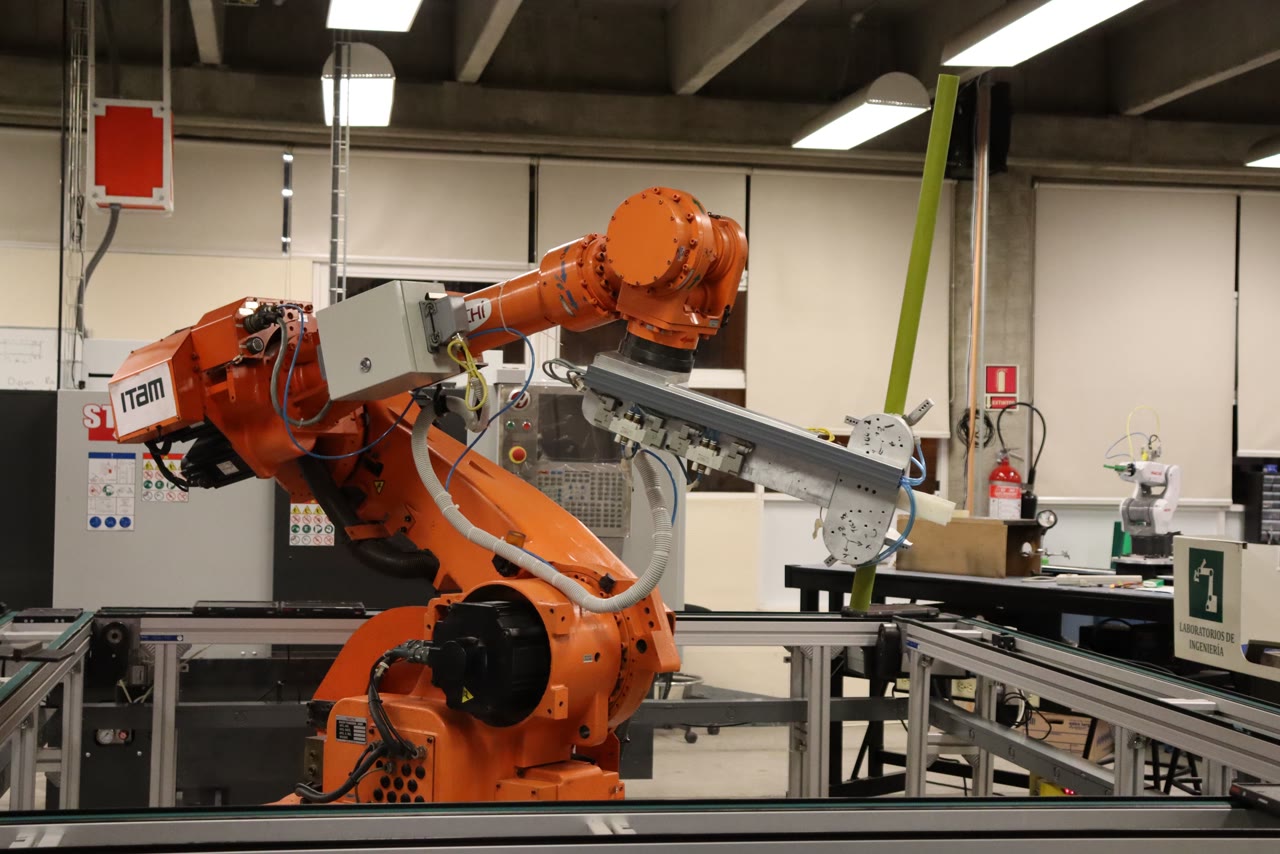
Stock footage illustrates intended operating environments and does not depict installed Wyrd hardware.