WUI: understand and coordinate
Bring permitted observations and institutional knowledge into one operational picture, propose plans and coordinate approved work.
PHYSICAL-SYSTEMS DIVISION
Wyrd’s programme for intelligence through physical bodies: defence, emergency response, healthcare, industry and everyday services.
THE MISSION COMES FIRST
A military unit needs supplies. Civilians nearby need evacuation. Roads are damaged, communications are failing, and responders have an incomplete picture. Sending a machine is only the beginning. Someone must understand the situation, choose the right equipment, authorise its work and bring useful results back.
Corpus is Wyrd’s physical-systems division. Defence is central, alongside emergency response, healthcare, industry and everyday services. We develop the programme around a complete mission: the intelligence, body, trained operation, maintenance and evidence needed to deliver a useful result.
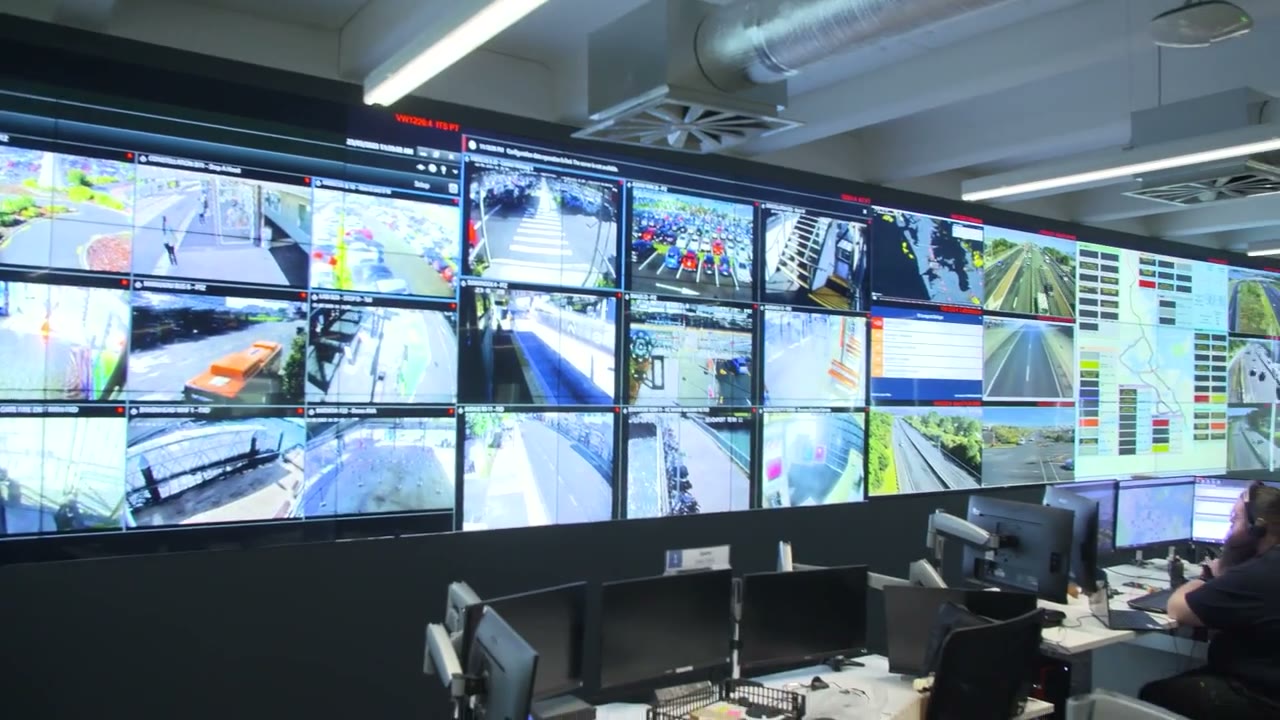
WUI brings permitted knowledge and observations into one situation. Different models can examine it from medical, engineering or logistics perspectives. People inspect the evidence and approve bounded tasks. Local models interpret observations; dedicated controllers retain movement, stability and physical protection. Each perspective remains connected to the same mission.
Watch Corpus in the Wyrd film Explore the founding philosophyTHE TECHNOLOGY, SIMPLY
Physical controls stay with the machine and its operating environment.
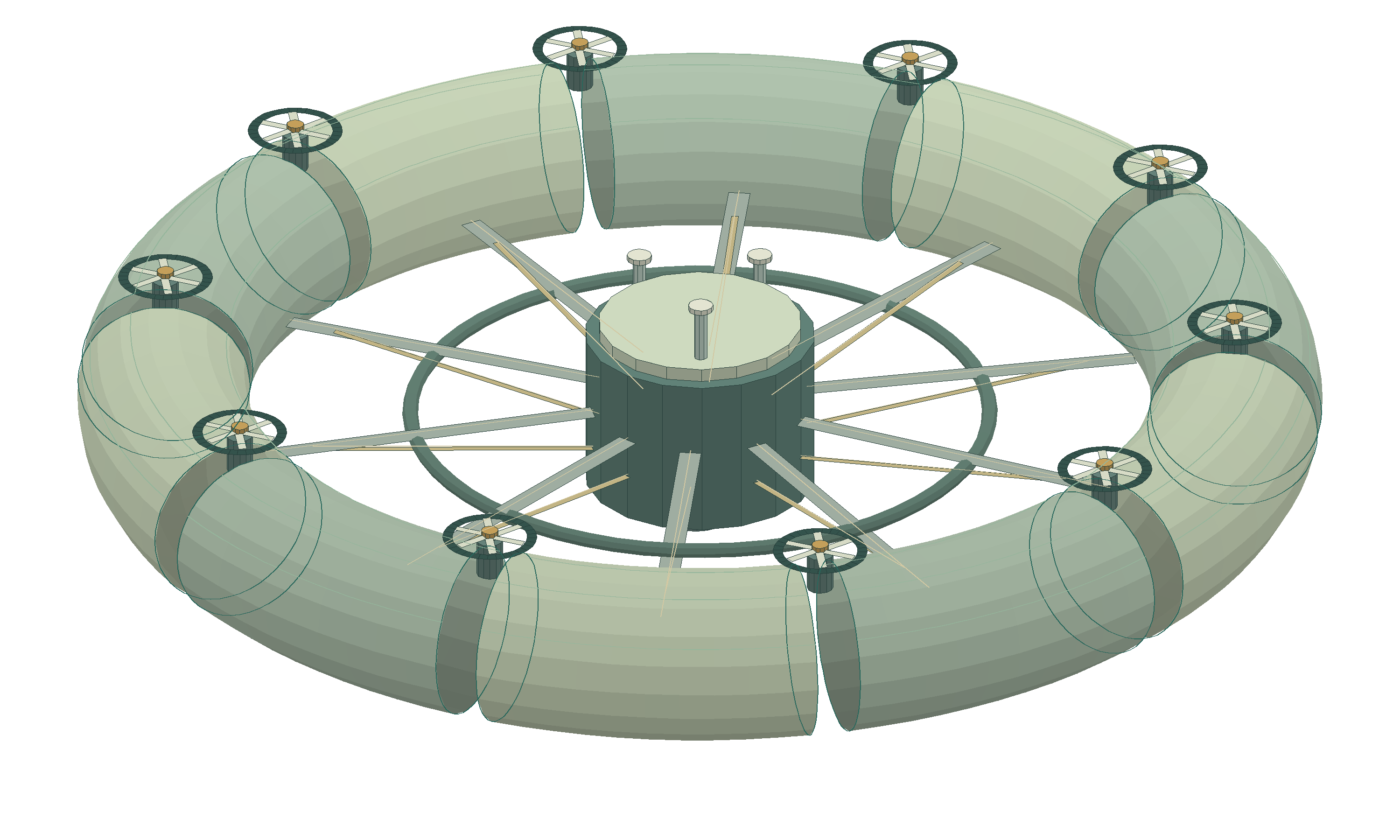
Illustrative design. Each configuration defines its scope and controls.
NOMAD / FLAGSHIP DESIGN PROGRAMME
NOMAD is the flagship of Corpus: a persistent regional node around which smaller bodies and people can work. Our annular design study places segmented lift cells around a protected mission core. Radial structures carry power and data. Sensors and antennas support observation and local communications. A tether connects the node to a prepared support site.
NOMAD H is the general regional node. NOMAD C is a separate development path that adds a planned six-berth carrier module. Airborne launch and capture require their own engineering and trials. The first funded deployments would integrate proven vendor-class platforms with ground-launched bodies, while the proprietary annular aircraft develops through a separate qualification programme.
INSIDE THE MISSION CORE
NOMAD is intended to host WUI on a local compute installation. Power conditioning, cooling, data interfaces and radios support that installation. Keyed mission cartridges are designed to let a qualified team replace a capability, check its identity and admit it for use. Local records preserve the mission history.
The hosting arrangement is an integration programme. Its value must be demonstrated with real equipment, sites and operations. Shared intelligence does not replace the specialist systems that keep a physical body stable and safe.
Bring permitted observations and institutional knowledge into one operational picture, propose plans and coordinate approved work.
Coordinate eligible machines around their capabilities, usable energy, connection health and the mission’s limits.
Check protected actions against the applicable authority. A task needing fresh permission waits for it.
Handle motion, stability and physical protection close to the machine and its operating environment.
SPECIALISED BODIES / SHARED FOUNDATIONS
Corpus develops aerial, ground, surface, underwater, medical and industrial families. Compatible sensors, payloads and protection can be selected for a mission. Shared interfaces make replacement and improvement possible where the engineering supports them; different environments still need different solutions.
Selected bodies could eventually dock, combine or change configuration during a mission. Autonomous reconfiguration is a research programme. We compare it against simpler fixed designs and require useful adaptation to earn its complexity through measured mission performance.
Observation, communications, transport and specialised mission payloads, with a defined operating envelope and support arrangement.
Equipment transport, inspection, resupply and work in difficult or hazardous environments.
Maritime observation, inspection and maintenance support through specialised bodies, docks and suitable gateways.
Purpose-built assistance, handling and precision equipment, each developed for its intended use and qualification requirements.
AN ILLUSTRATIVE NOMAD MISSION
The customer defines what must be achieved and how completion will be accepted. Equipment, power and people reach a prepared support site. The team commissions the node and local network before dispatching qualified bodies.
Ground-launched survey bodies report observations. ARGOS relates those findings to permitted information and preserves uncertainty. Responders verify possible civilian locations, approve an evacuation route and direct resupply. HIVE coordinates eligible bodies within that authority. Dedicated controllers retain physical control.
A ground body carries supplies to the agreed handover point. A communications unit reconnects responders. The team then recovers equipment, checks wear and replenishes energy. Retained records reconcile with the mission history, so the customer can examine what was delivered against the original obligation.
Illustrative programme workflow. It describes the integrated capability being developed, rather than a completed customer deployment.
DEFENCE AND CIVILIAN PROGRAMMES
The common foundation supports different bodies and operating disciplines. A medical transfer, a military resupply and an industrial inspection have different authorities, hazards and acceptance conditions. Each programme carries those differences through the design.
Reconnaissance, force protection, engineering support, resupply and casualty support across air, land and maritime environments. Armed-system concepts belong to a separate military development and authorisation programme. Human command retains weapons-release decisions. Security and border programmes support authorised observation and patrols.
Medical delivery with custody and transport conditions recorded, followed by distinct programmes for patient-handling assistance, rehabilitation, exoskeletons and clinician-controlled equipment. Patient-contact systems require their own clinical evidence, safety validation and authorisation.
Sensing, equipment transport and communications to help incident command understand a changing scene. Proposed suppression systems need trials against heat, smoke, water, damaged terrain and communications loss. Human responders retain command.
Meals, groceries, pharmacy orders, business supplies and larger cargo, with handling adapted to the route and payload. Retailers and delivery platforms can retain their customer relationship while buying operating capacity. Humanitarian resupply follows the same practical requirements.
Inspection before people enter hazardous areas, equipment delivery, material handling and selected extraction or processing workflows. Utilities, energy sites and transport infrastructure need maintained equipment and demonstrated operating economics.
Leviathan extends Corpus toward cable and pipeline inspection, ports, offshore sites, maintenance support and authorised defence missions. Pressure tolerance, energy, docking and reliable recovery are central. The retained Watch R1 evidence is simulation; physical trials remain part of development.
Robotic performance, supervised competitions and sports-related programmes in controlled venues, with event operators responsible for the experience and safety.
CONTINUITY THROUGH DISRUPTION
When the central connection drops, local controllers retain their safety responsibilities. Already approved work continues only within its limits. Tasks needing fresh authority wait. Observations enter a local queue, and available local links carry the messages they can support.
HIVE’s software and simulation work covers eligible allocation, energy and relay constraints, stalled-task handling and withholding disputed work. These behaviours have to be integrated and qualified together in a physical fleet. Reconnection brings queued records back into the mission history.
Later satellite equipment could make NOMAD a regional receiver and gateway for low-data WUI and machine messages. This is a future infrastructure programme. It adds backhaul to local intelligence; underwater bodies still require a suitable surface gateway.
Explore HIVE coordinationOPERATE / MAINTAIN / IMPROVE
Wyrd intends to build its own bodies and develop an operating route for compatible third-party equipment. Each connection needs its own adapter, controller, safety integration and qualification. Useful service can begin with the right existing platform while proprietary bodies develop.
After a mission, a body identifies itself, lands or docks, stops and enters service. The team replenishes energy, inspects wear, replaces compatible modules and synchronises records. Controlled changes are checked before the next approved task. Maintainability is part of the capability.
Customers can buy equipment and integration or contract a maintained service. NOMAD adds the intended option of regional operating capacity without permanent ownership of the whole fleet. Readiness, mobilisation, operating periods and accepted missions need clearly defined obligations and evidence, so the same service is not billed twice.
Discuss a scoped physical-system programmeSensors and inspection
Bounded missions and eligible fleets
Qualified drones, robotics and marine systems
Observed outcomes and tested recovery
Architecture illustration. Availability and acceptance depend on the selected configuration.
AN OPERATING EXAMPLE
A qualified drone receives a bounded inspection assignment. Its mission scope, access and stopping conditions remain explicit. Sensor observations return to the operational picture, while any subsequent intervention follows separate authority and safety checks.
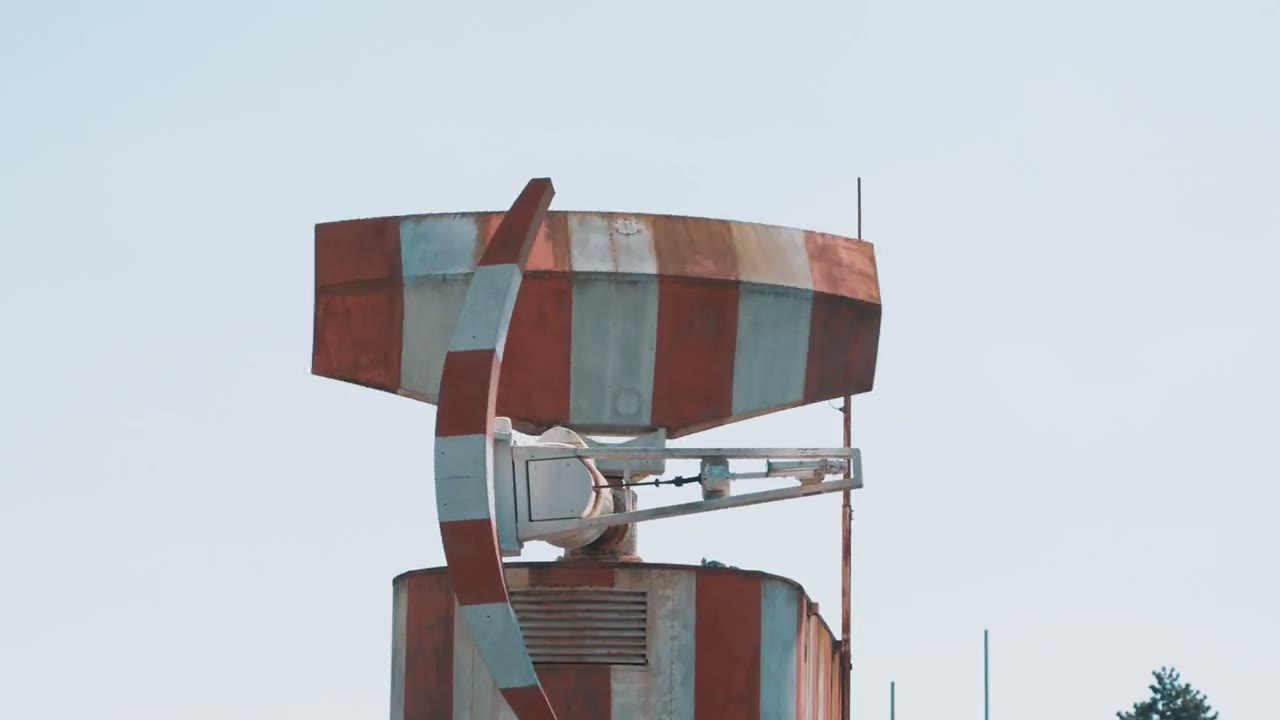
Illustrative workflow. Integration and qualification required.An unmanned aircraft in an exercise environment.
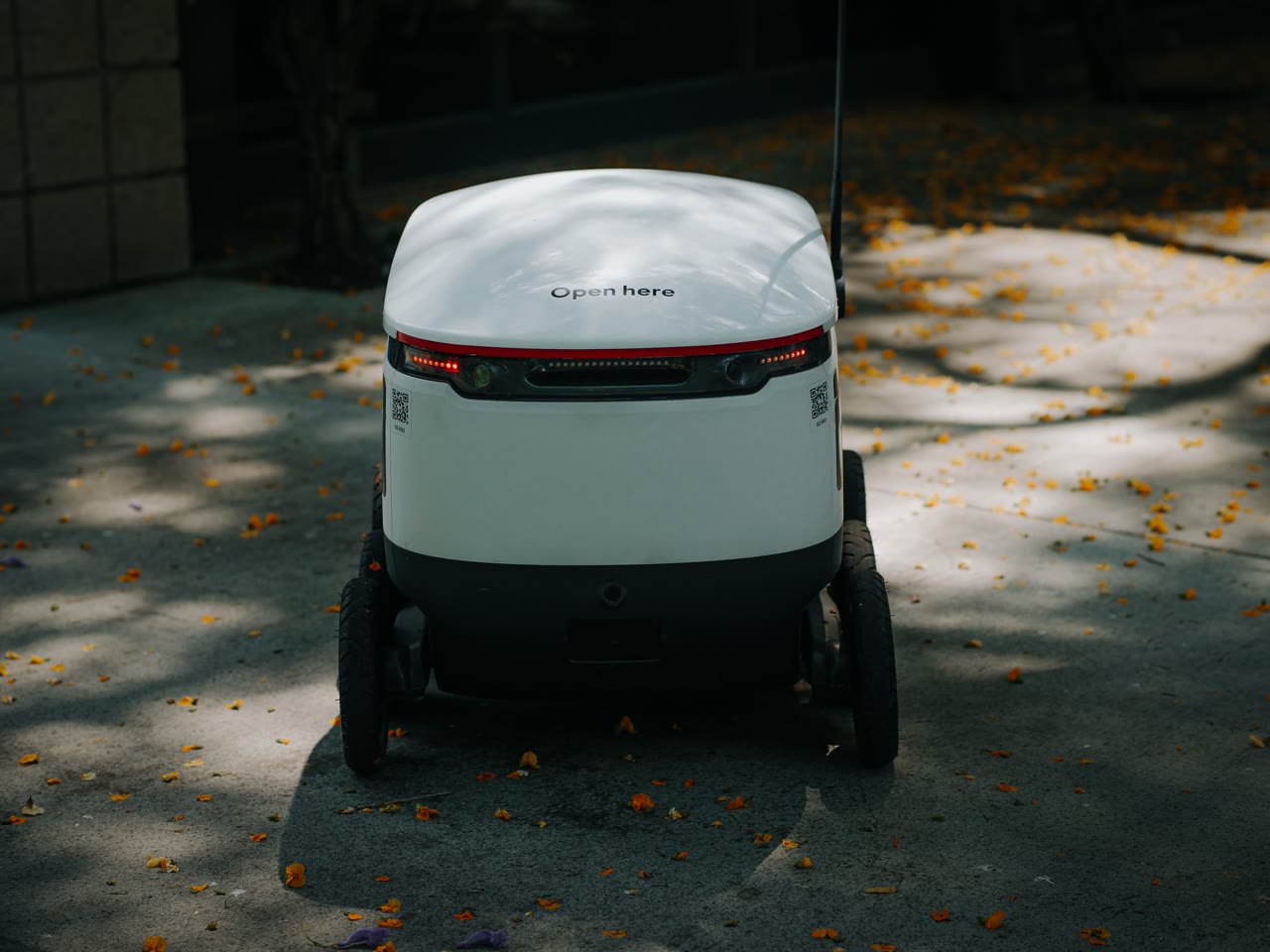
A vehicle performing supervised training operations.
An unmanned vessel operating during a maritime exercise.
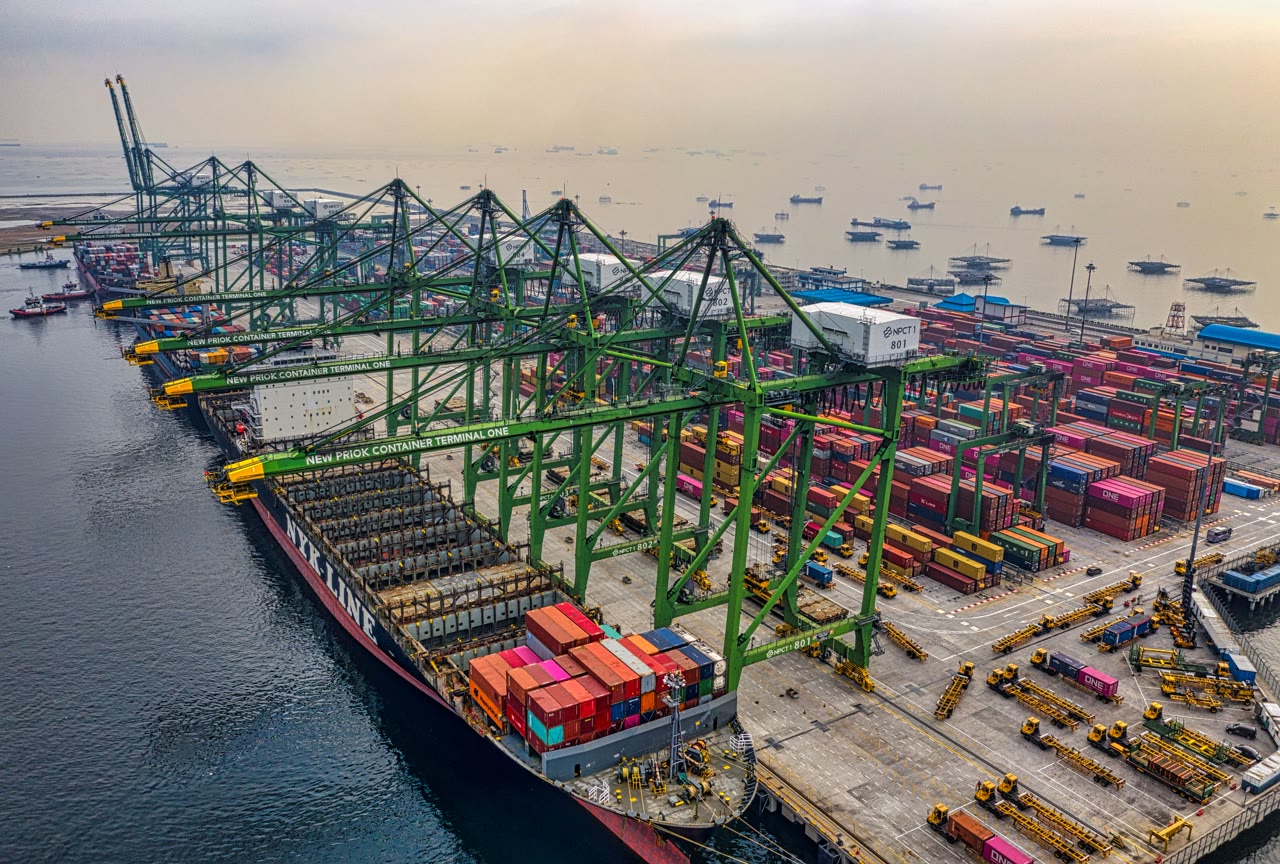
Reference footage from military exercises, supplied through DVIDS. The appearance of U.S. Department of War (DoW) visual information does not imply or constitute DoW endorsement. These are illustrative environments, not Wyrd equipment or deployments.
Explore ARGOS defence and autonomous-system programmesCorpus combines existing software foundations, software and simulation evidence, authored body concepts and physical integration programmes. It does not claim a manufactured proprietary fleet or completed field qualification. Engineering, integration, domain testing, maintainability and customer acceptance determine each deployment’s readiness.
Corpus is a division, not a module inside WUI. Its machines can use WUI for understanding, model coordination and approved work, alongside their own qualified physical controls. Software authority and physical safety must be tested together for each body, mission and environment.
BUILD WITH WYRD
Email alec.carvalho@wyrd-group.com
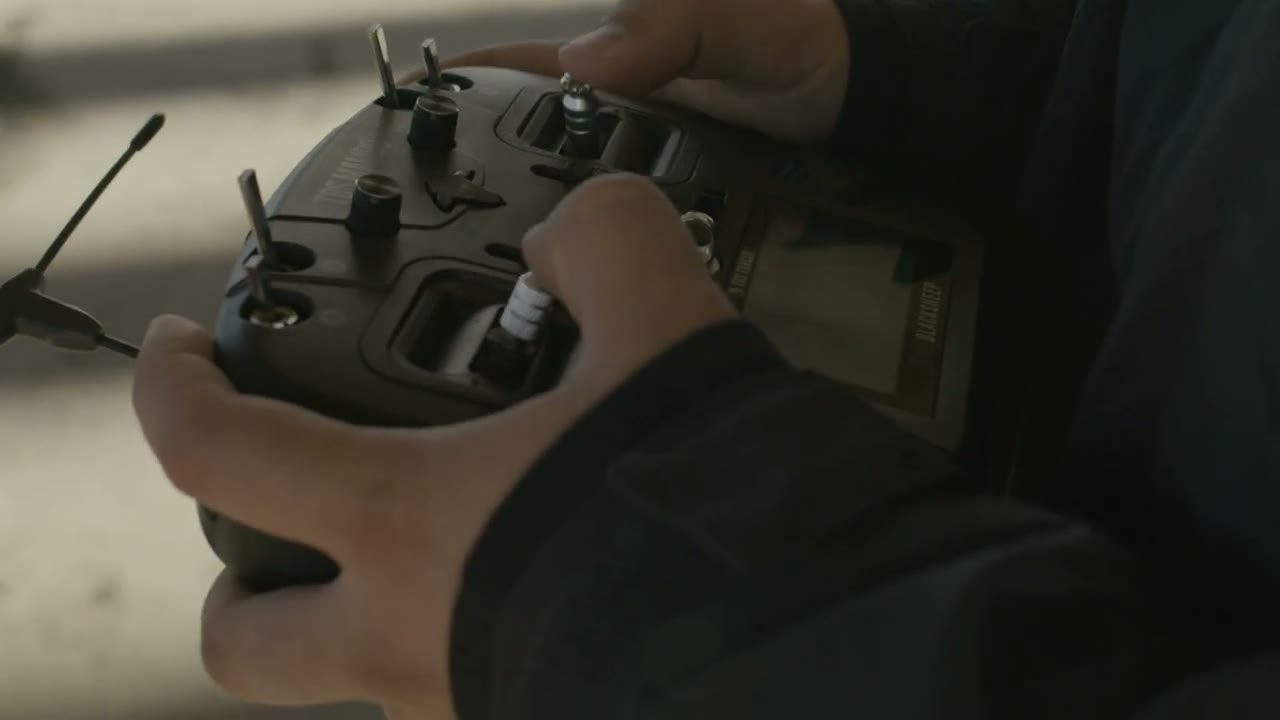
Stock footage illustrates intended operating environments and does not depict installed Wyrd hardware.